
The evidence behind the enthusiasm.
Original sources, clear study types and limitations placed where you can actually see them. No miracle-food headlines required.
For the first-bite curious. And the already obsessed.

What our labels mean.
A cohort observes people’s habits. A randomized trial assigns a comparison. A laboratory analysis describes a food or mechanism. A fact sheet summarizes a topic. These are different tools, not rungs on a simple “natto is good” score.
The shelf is selective
These are five starting references, not an exhaustive or systematic review. A label describes the source, while each entry explains what the result does and does not support.
Keep the exposures separate
Whole natto, enzyme supplements and a diet containing many fermented foods must not be silently treated as the same thing. We keep the product and outcome visible.
Read the finding. Keep the caveat.

Fermented soy and mortality: an association, not a prescription.
A Japanese cohort study is informative, but it cannot establish that eating natto causes longer life.

A three-year nattokinase trial found no effect on its main vascular measures.
A randomized study helps put the supplement claims in perspective.
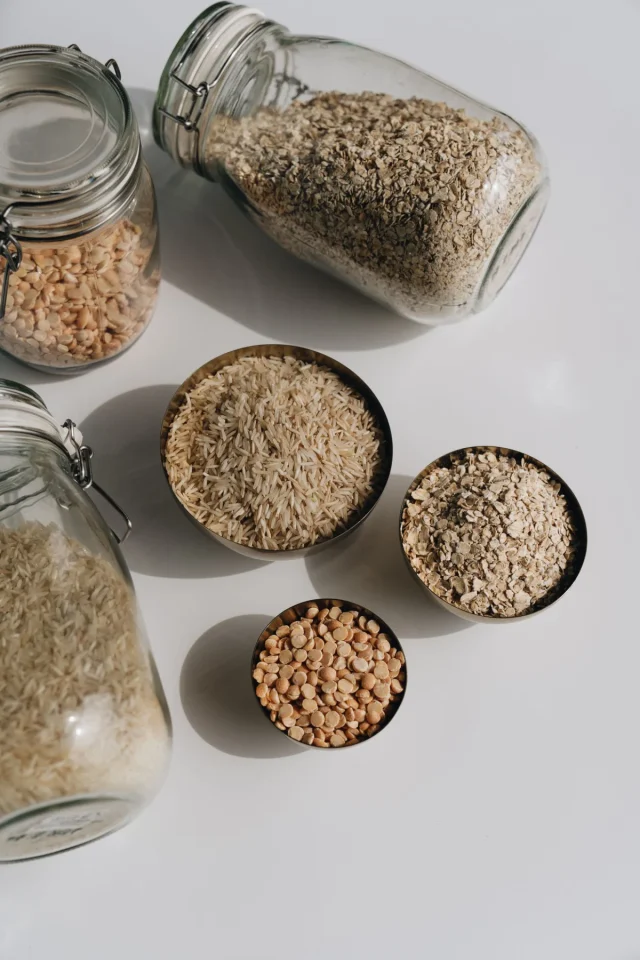
Fermented foods and the microbiome: what a small trial can tell us.
An interesting dietary-pattern study, not a natto-only experiment.
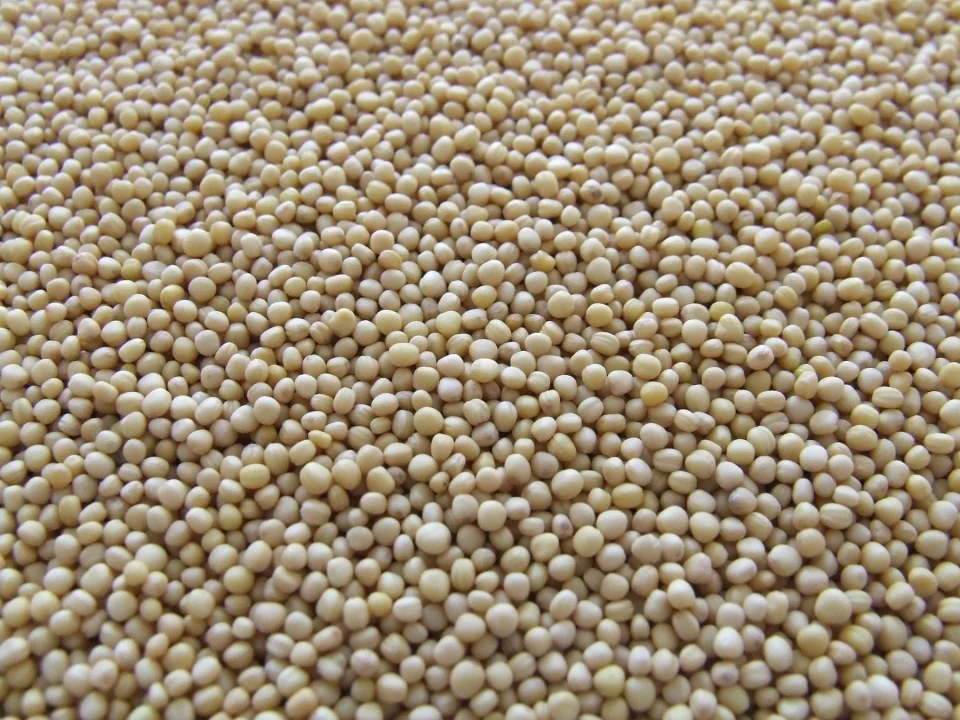
Vitamin K: essential nutrient, careful context.
What a nutrient does is not the same as what one food has been proven to prevent.
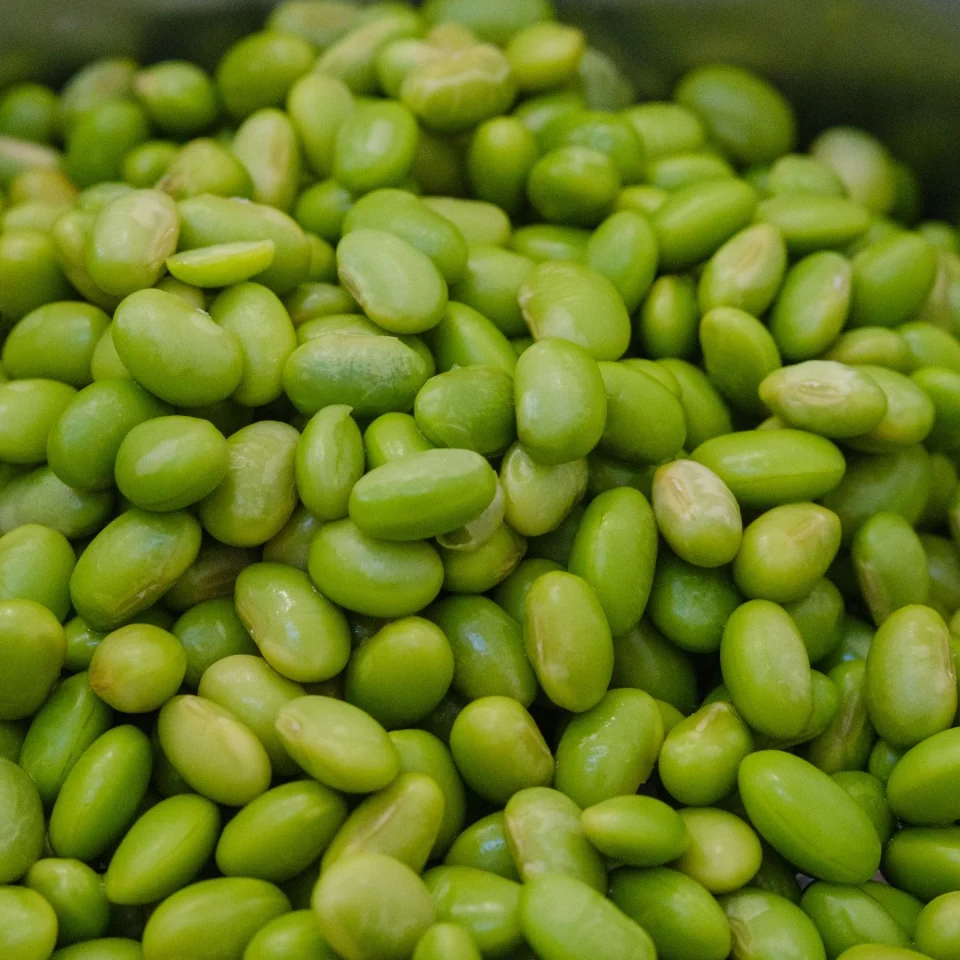
Mapping the microbes in kinema.
A research window into a related fermented soybean tradition.
No matches on this page. Try another phrase.
Notice a claim that needs a source?
Send the wording and the original paper. A correction is a useful contribution.