
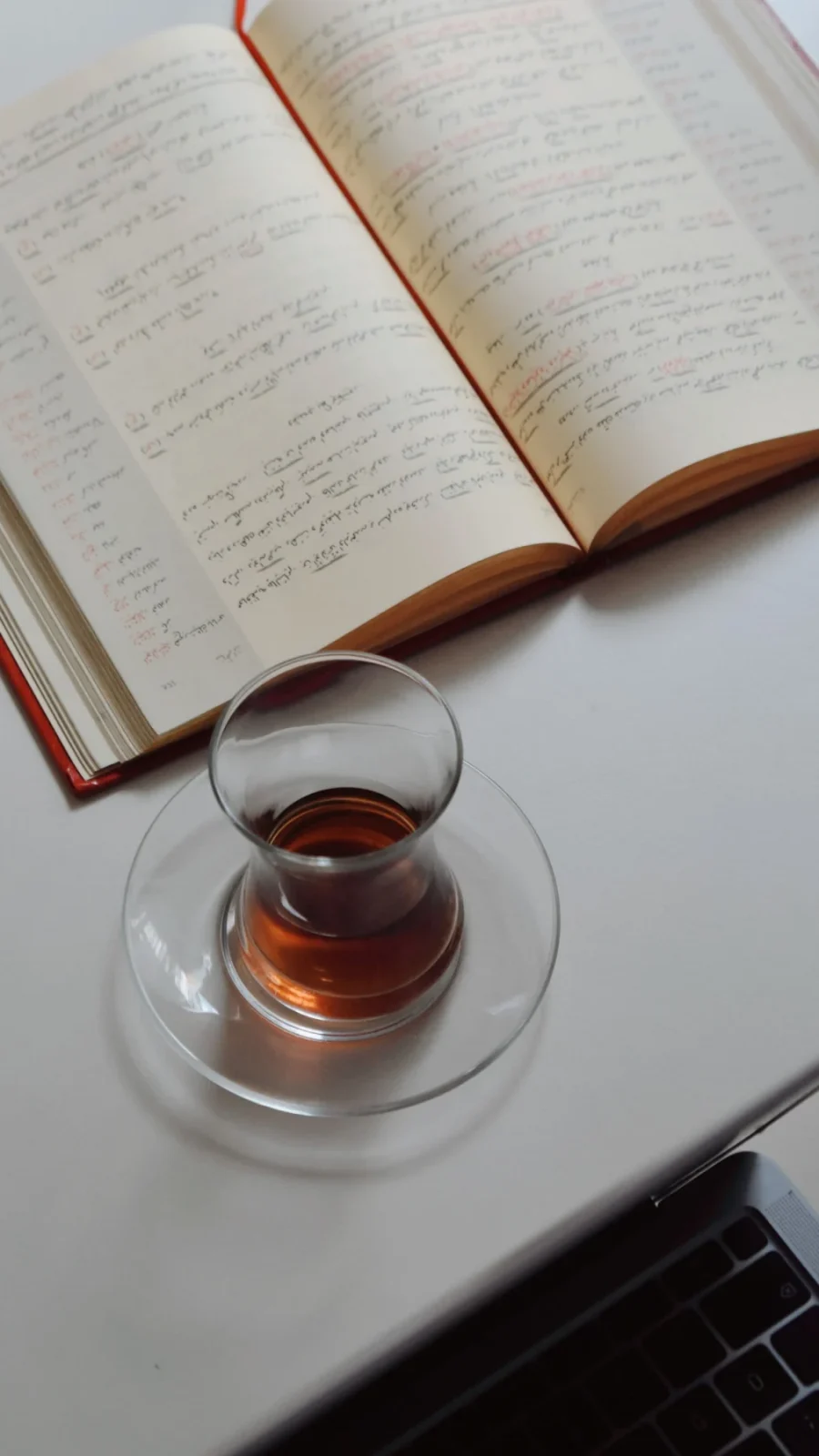
You do not need a laboratory information system. A date, a few measurements and a place for your observations will do.
Record the inputs
Note the starter brand and lot, the bean type and amount, the method version or source link, and the equipment you used. Keep the original instructions available rather than rewriting critical safety steps from memory.
Record what actually happened
Write down measured conditions, start and end times, interruptions and the cooling/storage stage. “Probably warm enough” is an uncertainty, not a measurement.
Separate preference from process
Aroma, texture and your preferred seasoning belong in a tasting note only when the food has been prepared and stored safely. Appearance alone cannot establish that the process was safe.
Change only a permitted variable
Once you have a reliable method, ask its manufacturer which changes it supports. Your notebook should make a successful process easier to repeat, not encourage uncontrolled experimentation.